
Popular Foundation Repair Tools And Materials For Lasting Stability
Select from top foundation repair products that ensure your home remains safe and structurally sound over time.
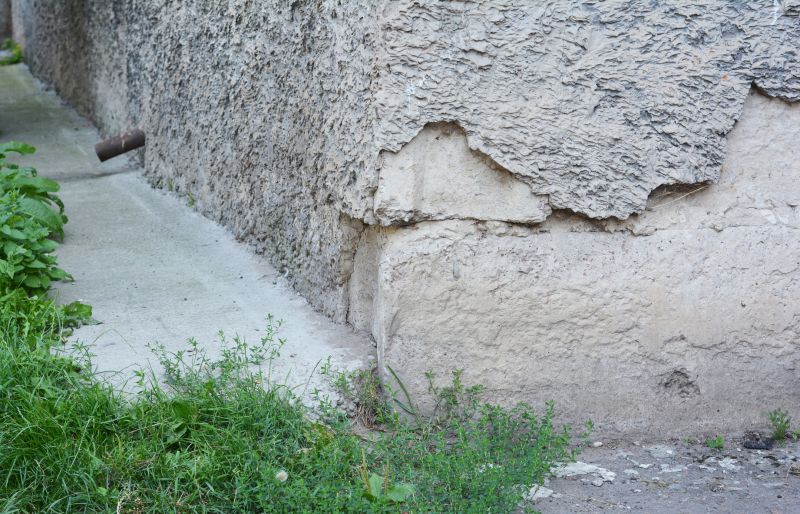 Foundation repairs are a critical aspect of maintaining the structural integrity of a building. When issues such as settling, cracking, or shifting occur, it is essential to select appropriate products that address these concerns effectively. Different repair products serve various purposes, from stabilizing the foundation to preventing further damage. Proper assessment by a professional can help determine the most suitable solutions tailored to specific foundation problems.
Top Overall Option
Polyurethane Foam Injection Systems
Polyurethane foam injection systems are versatile and effective for filling voids, lifting, and stabilizing uneven or sinking foundations. They expand upon application, providing quick and minimally invasive solutions that can be tailored to specific repair needs. This method is often favored for its ability to address a variety of foundation issues with precision and minimal disruption.
Types of Products For Foundation Repairs
Hydraulic Push Piers
Hydraulic push piers are used to lift and stabilize settling foundations by penetrating deep into stable soil layers.
Helical Piers
Helical piers are screwed into the ground to provide support for lifting and stabilizing foundations, especially suitable for variable soil conditions.
Polyurethane Foam Injection
Polyurethane foam injection is used to fill voids and lift sinking sections of a foundation with quick, minimally invasive application.
Carbon Fiber Reinforcements
Carbon fiber strips are applied to reinforce cracked walls and prevent further movement, providing added strength to existing structures.
Concrete Underpinning
Concrete underpinning involves adding support beneath existing foundations to improve stability and load-bearing capacity.
Steel Push Piles
Steel push piles are driven into the ground to support and stabilize foundations under heavy loads or severe settlement.
Soil Stabilization Grouts
Grouts are injected into soil to improve its load-bearing capacity and reduce settlement issues.
Epoxy Crack Injection
Epoxy injections seal and bond cracked concrete walls, restoring strength and preventing water intrusion.
Mudjacking / Slab Jacking
This method involves injecting a slurry beneath concrete slabs to lift and level uneven surfaces caused by settlement.
Drainage Solutions
Proper drainage products help manage water flow around the foundation, reducing soil erosion and water-related issues.
Foundation Wall Braces
Wall braces provide temporary or permanent support to bowing or leaning foundation walls.
Vapor Barriers and Waterproofing
These products prevent water infiltration that can weaken foundations and cause moisture problems.
Anchor Bolts and Wall Anchors
Anchors stabilize bowed or cracked walls by attaching them to stable soil or framing structures.
Soil Nails
Soil nails reinforce unstable slopes or retaining walls near foundations to prevent movement.
Grout Pumps
Grout pumps facilitate the injection of stabilization materials into soil or cracks for targeted repair.
Popular Choices
Often selected for their ability to support heavy loads and stabilize sinking foundations, hydraulic push piers are a common choice among professionals.
Favored for quick application and minimal disruption, foam injection is trending for addressing voids and uneven slabs.
A popular method for sealing cracks and restoring structural integrity in concrete walls.
This technique is frequently used to lift and level sunken concrete slabs efficiently.
Helical piers are commonly used in various soil conditions to provide reliable support and stabilization.
Increasingly used to reinforce cracked walls, these materials are valued for their strength and ease of application.
Effective drainage systems are in high demand to prevent water-related foundation issues.
Wall braces are frequently installed to prevent further bowing or leaning of foundation walls.
A common approach to strengthen and stabilize existing foundations by adding support beneath them.
These products are popular for protecting foundations from moisture intrusion and related damage.
Often used in severe cases of settlement, steel push piles provide robust support for heavy structures.
In demand for improving soil load capacity and reducing settlement issues around foundations.
Commonly installed to stabilize and straighten bowed or cracked walls.
Essential for precise injection of stabilization materials during foundation repair projects.
In Tinley Park, IL, where soil conditions and weather patterns can influence foundation stability, choosing the right repair products is especially important. Homeowners and property managers should consider the type and extent of foundation issues before investing in repair solutions. Whether dealing with minor cracks or significant structural shifts, there are numerous products designed to reinforce and stabilize foundations.
It is also vital to consider the longevity and compatibility of repair products with existing structures. Using high-quality materials and methods can help ensure that repairs are durable and effective over time. Consulting with experienced contractors and understanding product specifications can lead to better outcomes and peace of mind for property owners.
Ultimately, foundation repair products should be selected based on careful evaluation of the problem, site conditions, and long-term goals for the property. Proper installation and maintenance are equally important to ensure the effectiveness of these products and to safeguard the property's value and safety.
Key Buying Considerations
- Assess the specific foundation issue to determine the most appropriate product type.
- Consider the soil conditions and how they influence the choice of repair methods.
- Evaluate the extent of damage to select products that provide sufficient support and stabilization.
- Check the compatibility of repair products with existing foundation materials.
- Prioritize products with proven durability and effectiveness over time.
- Determine whether the repair method is minimally invasive or requires extensive excavation.
- Review installation requirements and whether professional assistance is recommended.
- Understand the potential for future repairs or maintenance needs.
- Consider the overall impact on property value and safety.
- Verify that products meet local building codes and standards.
- Assess the availability of replacement parts or ongoing support from suppliers.
- Estimate the total project cost, including installation and materials.
- Look for products with clear instructions and safety guidelines.
- Research customer reviews and expert opinions for insights on performance.
- Ensure the selected products are suitable for the specific soil and environmental conditions of Tinley Park, IL.